The objective of the project was to assess the relevance of the AGRE Risk model’s original calibration and assumptions in the context of the current economic climate.
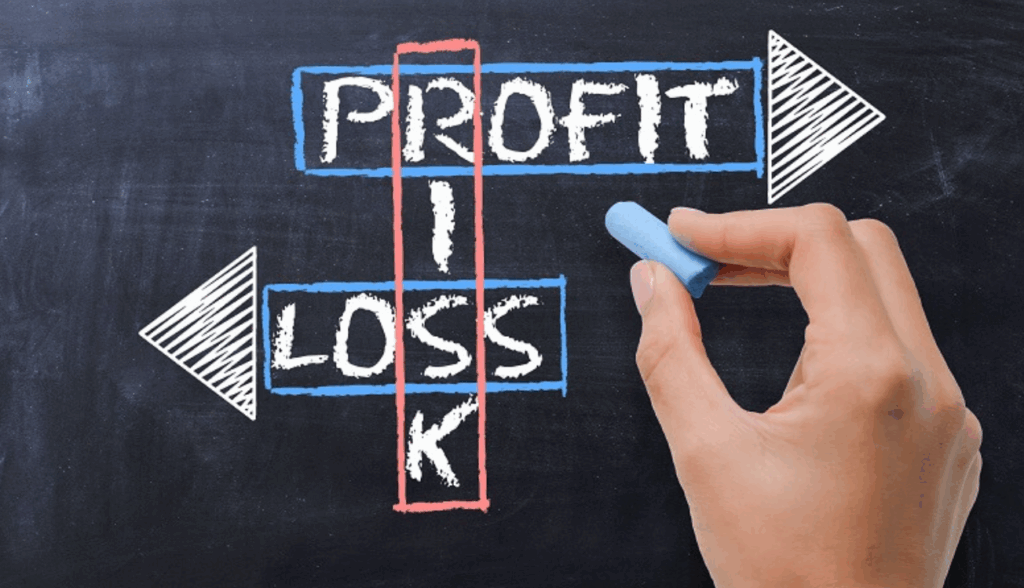
We investigated whether the model calibration performed during a low interest rate and moderate inflation economic environment is still relevant for the estimation of SCR risks and proposed adaptations to the model.
The work was split in two macro phases:
- Exploratory Phase
- The objective was to collect the information about the evolution of the risks and current (post Covid) business environment from AGRE professionals
- Implementation Phase
- The objective of this phase was to translate the business and risk opinions, as well all other requirements emerged during the exploratory phase, into concrete modifications and updates of the Boni Mali Risk model.
We performed the tasks and updated the relevant risk drivers identified by economists and real estate experts such as:
- Cost of borrowing
- Rapid interest rate hikes by central banks have increased the returns on risk-free government bonds. Commercial real estate investors demand more yield to justify holding such an illiquid asset. Rising rents can offset some of the impact on valuations. But the magnitude of the yield increase triggered by the sudden end of near-zero rates has overwhelmed whatever rent increases landlords can achieve.
- Rising Vacancy Rates
- This indicates a challenge in finding new tenants as old leases expire, and it puts downward pressure on rental prices and property values.
- Refinancing Cliff
- The commercial real estate market is facing a significant refinancing challenge in the coming years. Many commercial mortgages are due for refinancing, and with higher interest rates and increased vacancies, property owners may struggle to secure favorable refinancing terms. This could lead to defaults and financial instability in the market.
- New regulations
- New rules and regulations making it very expensive to refurbish and at the same time difficult to rebuild. Added to increased cost of construction. That puts downward pressure on the valuation of existing non-prime buildings
Output
The updated model was delivered as well as the necessary documentation and formation of stakeholders.